
The Hidden Importance of Physio in Pets
We look at what physiotherapy is in our pets and a real example of the impact it had on Nellie’s life!
Veterinary physiotherapy is a specialised form of treatment aimed at improving movement and function. It uses a range of evidence-based techniques to support recovery from injury, manage pain, and enhance performance.
Commonly used in dogs and horses, veterinary physiotherapy is now recognised as an important part of modern animal care. It is often incorporated alongside veterinary treatment plans, particularly following surgery, injury, or in the management of chronic conditions. Physiotherapists work closely with veterinary surgeons to ensure that each treatment approach is safe, appropriate, and tailored to the individual animal.
Treatments can include manual therapy (such as massage and range of motion), structured exercise programmes, and electrotherapy including laser, ultrasound and pulsed electromagnetic therapy. The aim is to restore normal movement, reduce discomfort, and support long-term health.
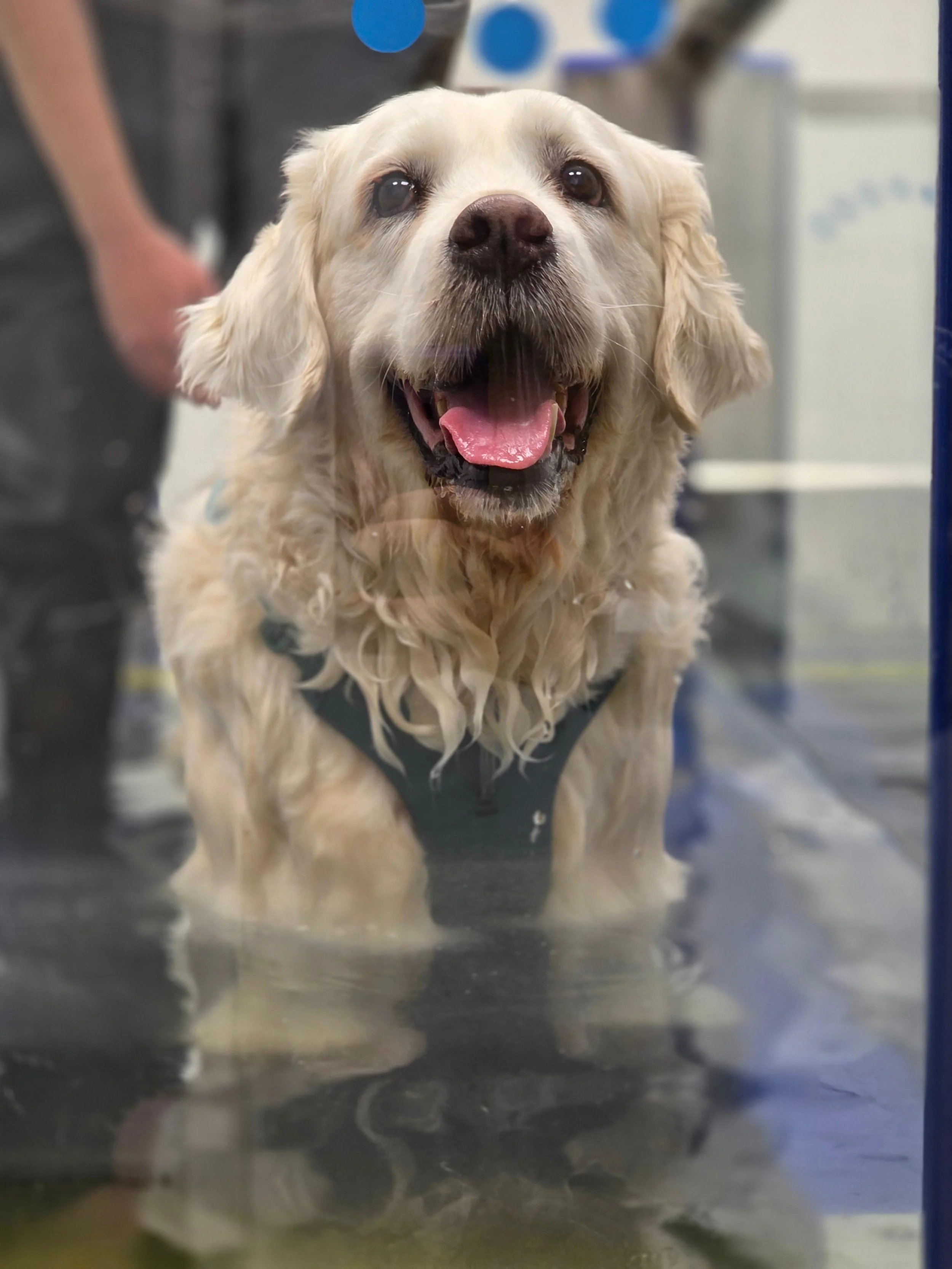
Positives
Veterinary physiotherapy offers a wide range of benefits, making it a valuable treatment option across both rehabilitation and preventative care.
1) Pain relief
One of the key advantages of physiotherapy is its ability to reduce pain through non-invasive methods. Techniques such as massage, stretching, and electrotherapy help to improve circulation, reduce inflammation, and relieve muscle tension. This can significantly improve comfort levels, particularly in animals with chronic conditions or those recovering from injury.
2) Improved mobility and movement
Restricted movement is a common consequence of injury, surgery, or conditions such as arthritis. Physiotherapy works to restore normal movement patterns by improving joint flexibility, muscle strength, and coordination.
Over time, this allows animals to move more freely and comfortably, whether that means walking without stiffness, climbing stairs, or returning to more demanding physical activity.
3) Faster recovery
Following orthopaedic procedures or soft tissue injuries, rehabilitation is essential. Without it, animals can experience muscle wastage, joint stiffness, and delayed healing.
Veterinary physiotherapy supports recovery by gradually reintroducing movement, maintaining muscle condition, and reducing the risk of complications. This leads to a more efficient and controlled return to normal function.
4) Management of chronic conditions
Conditions such as osteoarthritis, hip dysplasia, and other degenerative diseases can't always be cured, but they can be effectively managed. Physiotherapy plays a vital role in maintaining mobility and slowing the progression of these conditions.
Regular treatment helps:
Reduce stiffness
Maintain joint health
Preserve muscle strength
Improve overall quality of life
This can make a significant difference in keeping animals comfortable and active for longer.
5) Support of neurological cases
Animals with neurological issues, such as spinal injuries or nerve damage, can also benefit from physiotherapy. Rehabilitation techniques help to retrain movement patterns, improve coordination, and stimulate nerve function.
Even in cases where full recovery is not possible, physiotherapy can help maximise independence and function.
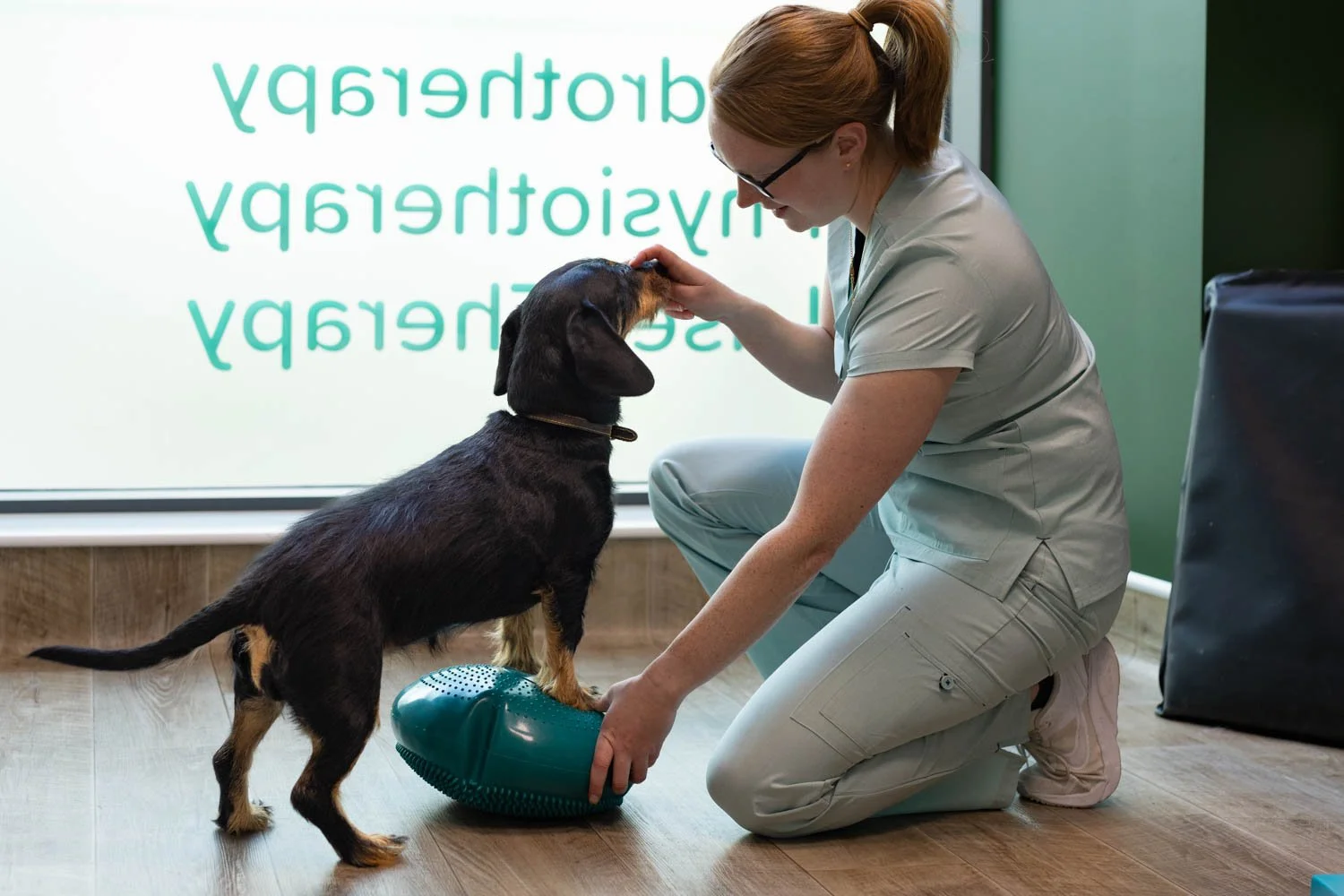
What is it good for?
Veterinary physiotherapy is highly versatile and can be used in a wide range of situations, including:
Post-operative rehabilitation (e.g. cruciate ligament repair, fracture recovery)
Soft tissue injuries (muscle strains, ligament damage)
Chronic conditions (arthritis, hip and elbow dysplasia)
Neurological disorders (IVDD, nerve injuries)
Weight management and general conditioning
Performance enhancement and injury prevention
Because it is tailored to each individual, it can be adapted to suit animals of different ages, breeds, and activity levels — from young, active athletes to older pets requiring gentle support.
Nellie’s Road to Recovery
Nellie was involved in a road traffic accident in which she was struck by a car. As a result of this incident, she sustained a dislocation of her elbow along with nerve damage affecting her left forelimb. This injury has led to a noticeable reduction in the use of the limb, as well as significant muscle wastage due to decreased weight bearing and limited movement over time.
Initial assessment
Stance (refers to the way an animal positions its body and distributes its weight while standing still) — ideal should be LF 30, RF 30, LH 20, RH 20
30/1/2026
LF 04, RF 46, LH 29, RH 21
Nellie on her first session was not using her left forelimb while in walk. She was distributing most of her weight onto her right forelimb. She had significant muscle loss on her left forelimb.
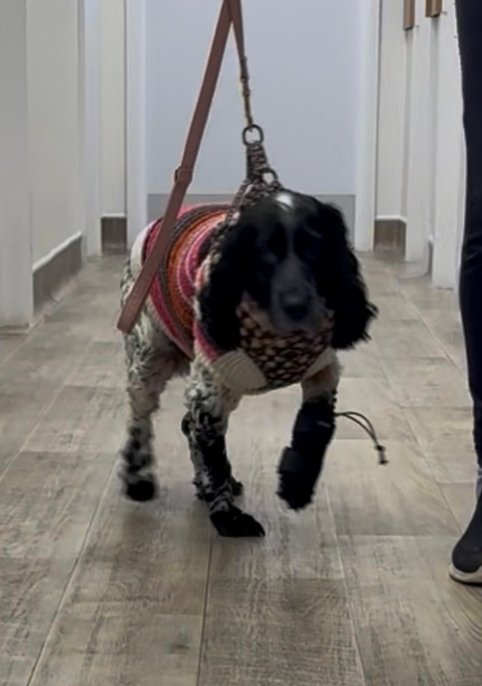
Nellie’s Walking Before
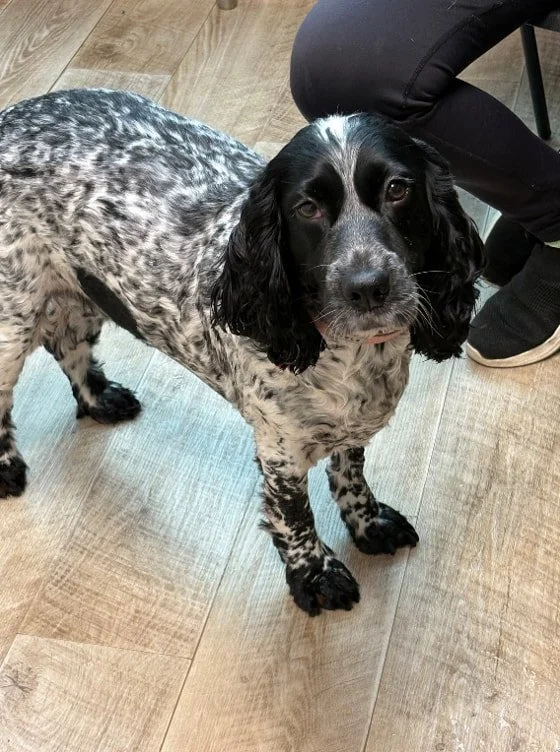
Nellie’s posture now after physio treatment
Treatment:
Nellie's treatment programme incorporated a range of techniques aimed at reducing pain, improving function, and encouraging use of the affected limb. Laser therapy was applied to the elbow and shoulder to help reduce inflammation and support nerve function. Massage techniques, including effleurage and tapotement, were used on the left forelimb to stimulate the tissues and promote increased blood flow. Exercises focusing on weight shifting onto the left forelimb were introduced, often using a variety of surfaces to challenge balance and encourage engagement. Heat therapy was also applied to the left forelimb to aid tissue relaxation and circulation, alongside tactile stimulation to increase sensory awareness. In addition, hydrotherapy was included as part of her rehabilitation to support safe weight bearing and improve overall limb use.
12/6/2026
Stance — LF 17, RF 33, LH 22, RH 28
Following 14 physiotherapy sessions, Nellie has shown notable improvement. She is now placing significantly more weight through her left forelimb, indicating increased confidence and function. There has also been a clear increase in muscle mass in the affected limb, alongside a reduction in compensatory loading through the right forelimb, suggesting a more balanced and symmetrical use of her body.
If you are interested in physio treatment for your pet, please learn more by visit Horner Rehab & Wellness Centre website or call us on 0121 270 5800.