
Important to know: The 12 Days of Feline Toxins
Written by Emma Kemish
A festive, educational guide to help keep your feline friends safe all season long!
Every December we deck the halls, warm the mulled wine, and watch our cats launch themselves into the tree like tiny, furry wrecking balls. But the festive season also brings a surprising number of hidden toxins that can turn holiday cheer into an emergency vet visit. The Christmas season brings joy, decorations, delicious foods… and a surprising number of things that can make our cats very unwell!
To help keep your feline safe this holiday season, we’ve rewritten a Christmas classic with a veterinary twist. The “quantities” are just for fun and rhythm — in reality, many of these items can be dangerous in far smaller amounts, and there is no safe minimum. If your cat ingests any of these, call your vet immediately.
Let’s begin…
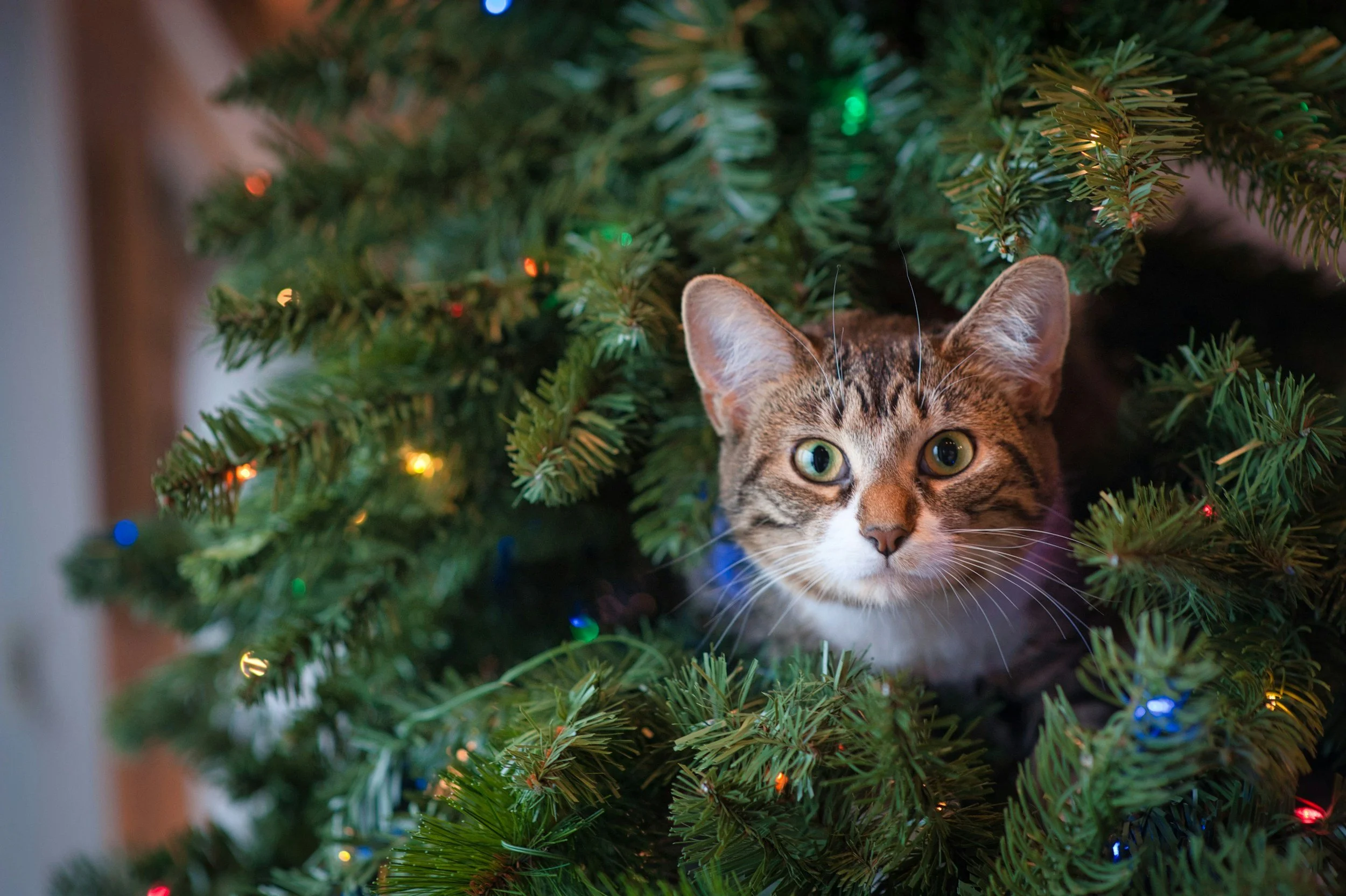
🎶 **On the First day of Christmas, a feline hazard we see…
1. Teaspoon of antifreeze**
(Ethylene glycol — fatal in tiny amounts)
Antifreeze is one of the deadliest festive hazards for cats.
Just a teaspoon can be fatal due to rapid kidney failure.
Even a tiny lick from a puddle or paw grooming is an EMERGENCY.
Any exposure is an emergency!
🎶 **On the Second day of Christmas, a feline hazard we see…
2. A missing bite from a mince pie**
(Raisins — unpredictable kidney toxin)
Raisins, sultanas, grapes… they’re all dangerous.
Cats can develop kidney failure from just a few raisins.
Mince pies, Christmas cake and stollen are all high-risk.
🎶 **On the Third day of Christmas, a feline hazard we see…
3. Christmas scented candles**
(Essential oils — highly toxic to cats)
Cats cannot metabolise many essential oils found in strongly scented candles and diffusers, including, but not limited to:
wintergreen
pine
peppermint
eucalyptus
clove
cinnamon
bergamot
Just a few drops inhaled, absorbed through their skin , inhaled, or licked off their fur or surfaces can cause:
drooling
vomiting
wobbliness
tremors
respiratory irritation
liver effects (with certain oils)
Burnt paws and whiskers are also a risk around curious cats!
Avoid essential-oil diffusers, candles, wax melts, and other essential oil containing products around cats.

🎶 **On the Fourth day of Christmas, a feline hazard we see…
4. Cloves of garlic/onion**
(Allium family — causes anaemia)
Cats are extremely sensitive and even small amounts hidden in gravy, stuffing, or stock can:
damage red blood cells
cause weakness and collapse
4 cloves’ worth in a dish is more than enough for toxicity.
🎶 **On the Fifth day of Christmas, a feline hazard we see…
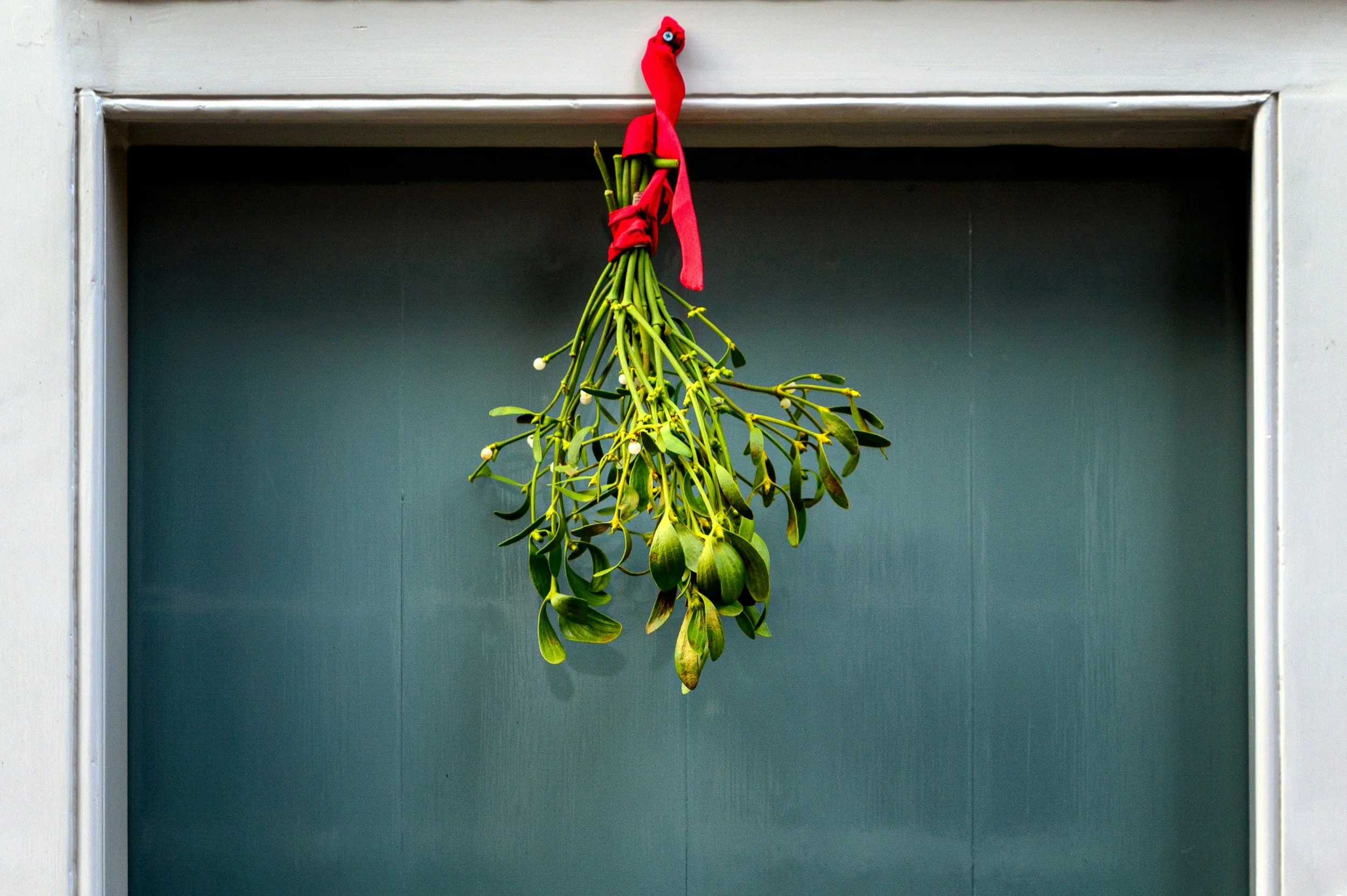
5. Mistletoe berries/leaves**
(Mistletoe — GI and cardiac effects)
Mistletoe ingestion can cause vomiting, diarrhoea, low heart rate and blood pressure changes.
A few berries or leaves are enough to make a cat very unwell.
🎶 **On the Sixth day of Christmas, a feline hazard we see…
6. Sips of hot cocoa**
Hot cocoa and chocolate milk combine three hazards:
theobromine
caffeine
Lactose
Most cats are lactose intolerant, and even small amounts of chocolate can cause:
Vomiting
diarrhoea
agitation
tremors

🎶 **On the Seventh day of Christmas, a feline hazard we see…
7. Laps of bergamot tea**
(Earl Grey — caffeine + bergamot compounds)
Earl Grey and other bergamot teas contain bergamot oil, which can cause muscle cramps and photosensitivity in cats.
Six laps from an unattended mug is more than enough to irritate their system.
🎶 **On the Eighth day of Christmas, a feline hazard we see…
8. Pinches of Christmas spices**
(Nutmeg, clove, cinnamon — irritants, neurotoxins & GI upset)
Festive spices smell wonderful to us, but many pose risks to cats.
Nutmeg contains myristicin, which can cause:
agitation
tremors
disorientation
Clove (especially clove oil) contains eugenol, which can lead to:
liver toxicity
drooling
vomiting
Cinnamon, particularly in concentrated form (powder spills, decorations, potpourri), may cause:
mouth and skin irritation
coughing
gastrointestinal upset
A few licks of spilled spices, iced biscuits, or scented decorations may be enough to cause illness — eight “pinches” is certainly too much for any curious cat.
🎶 **On the Ninth day of Christmas, a feline hazard we see…
9. Licks of road-salt**
(Rock salt — sodium toxicity & antifreeze contamination)
Gritting salt contains sodium chloride and sometimes antifreeze contaminants.
Repeated exposure from licking their paws after a winter adventure can cause
vomiting
drooling
tremors
sodium imbalance
Wiping paws after your cat has ventured out into the winter wonderland helps prevent ingestion.
🎶 **On the Tenth day of Christmas, a feline hazard we see…
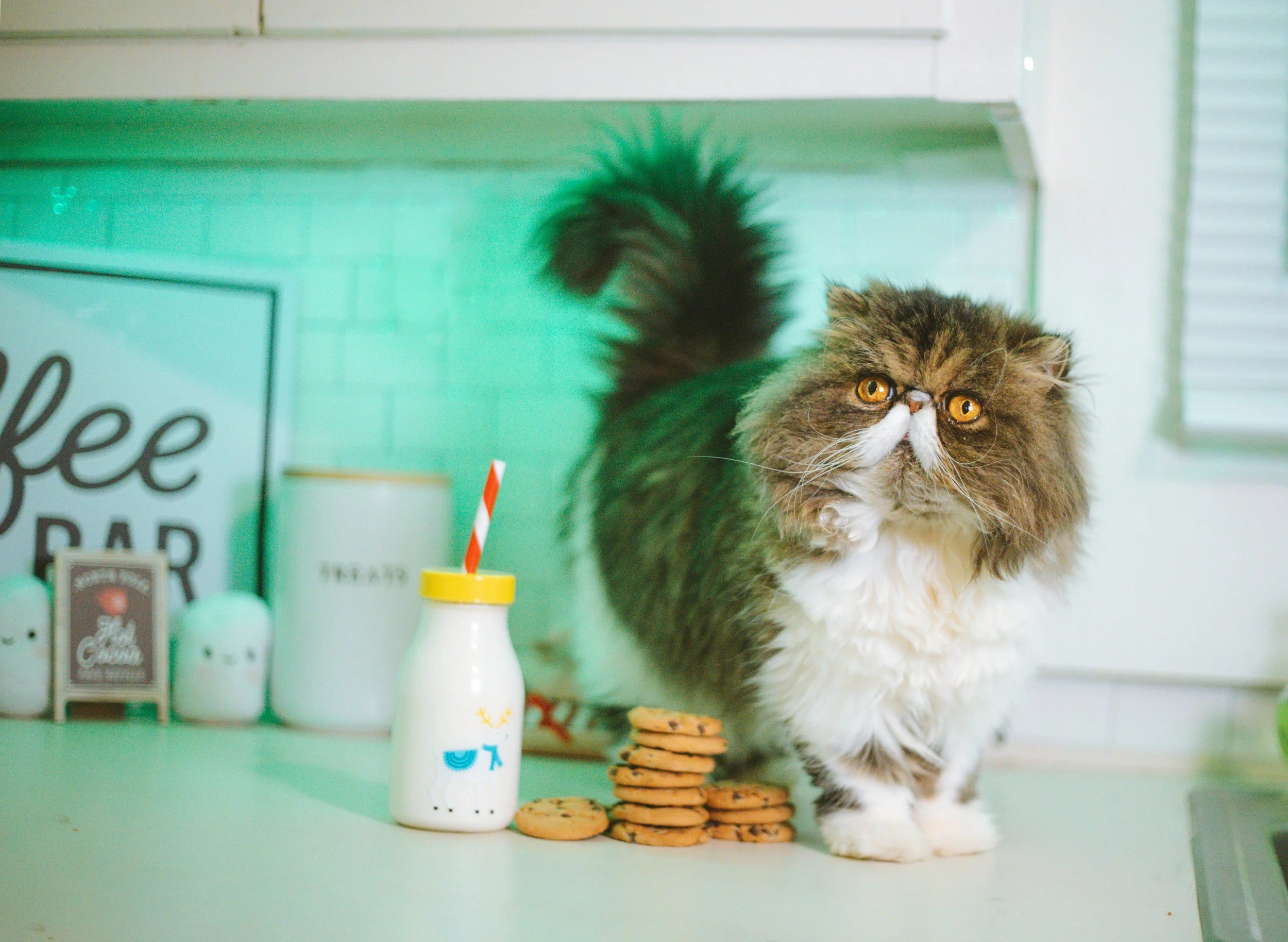
10. Licks of Christmas cookie icing**
(Icing — sugar, xylitol risk, GI upset)
Festive cookie icing is tempting — but dangerous.
Some icings and decorations may contain xylitol, which can cause:
severe hypoglycaemia
seizures
liver failure
Even sugar-based icing can trigger vomiting, diarrhoea or pancreatitis.
Edible glitter and sprinkles can pose choking hazards.
🎶 **On the Eleventh day of Christmas, a feline hazard we see…
11. Tree needles (real or artificial)**
(Tree needles — oils + mechanical irritation)
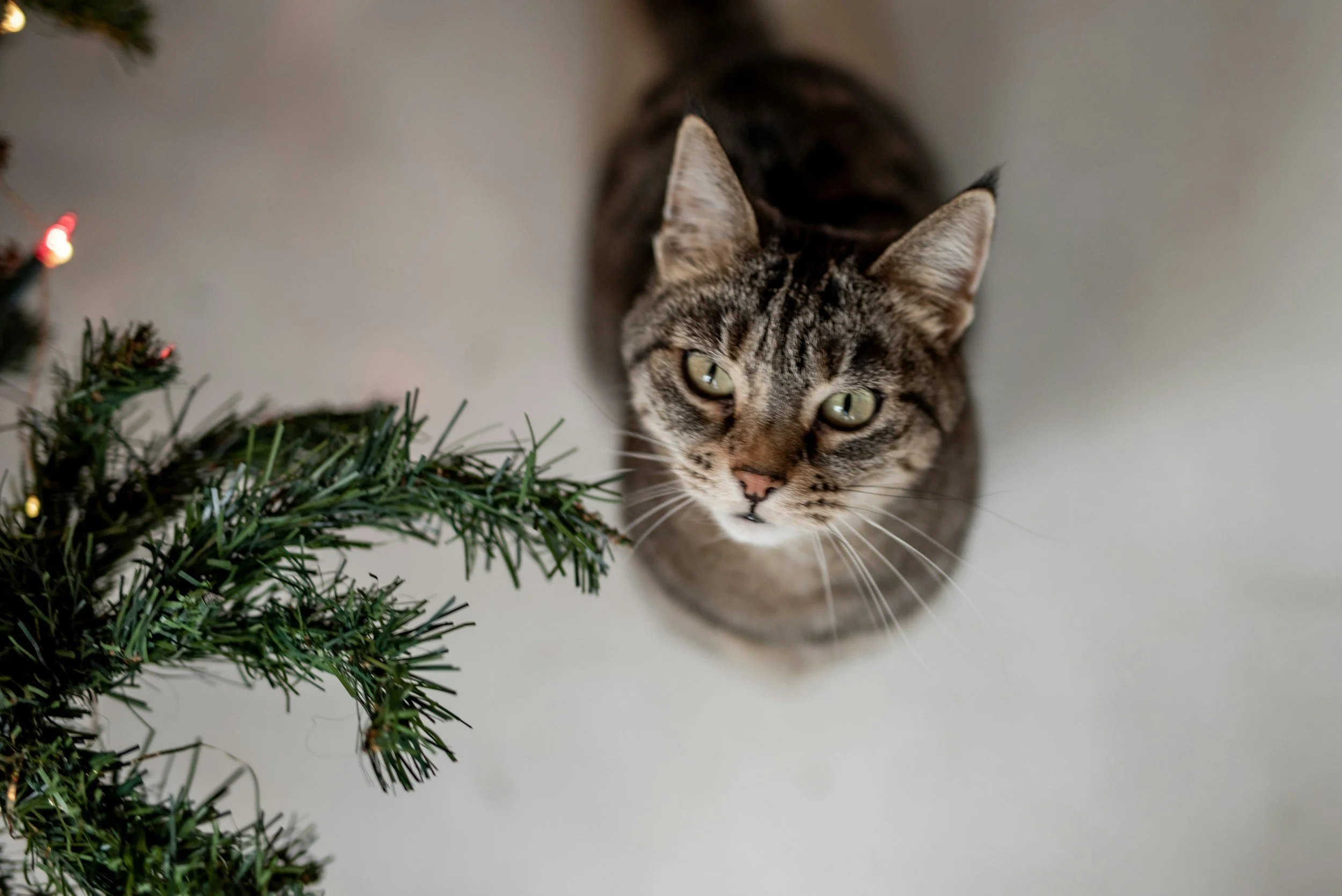
Real tree needles contain oils that irritate the stomach, while both real and artificial needles have the perfect shape to cause:
vomiting
diarrhoea
decreased appetite
throat irritation
intestinal blockage (rare but possible if they love to chew on your Christmas tree)
Just a mouthful of twelve needles can be enough for a very unhappy cat.
🎶 **On the Twelfth day of Christmas, a feline hazard we see…
12. Laps of Christmas tree water**
(Tree-stand water — bacteria, mould, fertilisers & sap)
Christmas tree water becomes a murky mixture of:
mould
bacteria
fertilisers
irritating sap
Many cats enjoy unusual water sources.
Even a few laps can cause vomiting or diarrhoea.
🎁 Final Christmas Safety Tips
Keep festive foods and decorations out of reach.
Avoid using products containing essential oils around cats and burn scented candles in well-ventilated areas where your cat cannot reach them.
Wipe paws after your cat returns from their adventures outdoors.
Check if your Christmas plants are toxic to cats and avoid keeping them in areas that your cat has access to.
Block access to Christmas trees and the presents underneath them to avoid ingestion of pine needles, standing water, tinsel and wrapping ribbon.
Call your vet immediately if your cat ingests anything they shouldn’t or if they are showing any signs of toxin exposure. If you would like to learn more about these, or other toxins - check out our toxin guide.